View some samples of MaxTrax PRIME here. Scroll down the thumbnails to view all the samplers.
- General Safety Titles
- OSHA Titles
- Hazard Communications (RTK)
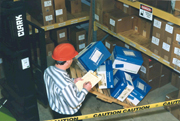 Accident
Investigation“Accidents will happen”. We have all heard that statement before. Unfortunately, sometimes it is true. In spite of our best efforts, things occasionally do go wrong.While many accidents seem to happen for obvious reasons, there may be things that contribute to an accident which are not always apparent. That is why it is vital to conduct a thorough Accident Investigation.
This video on “Accident Investigation” show employees steps that are taken in an accident investigation, and highlight how important it is for employees to fully cooperate with any inquiry.
They also point out that while an investigation’s focus is to determine the cause of an accident, the overall goal is to prevent similar accidents from happening again.
Topics covered in these products include:
- The goals of an accident investigation.
- Securing an accident scene.
- “Root-cause” analysis.
- The importance of investigative interviews.
- Assisting in an accident investigation.
- Reporting the “near misses”.
- The role of policies, equipment and training on accident prevention.
- …and more.
Time: 13 Minutes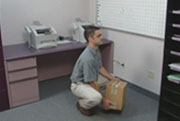 Back
Back
SafetyFor many employees, back injuries are something that “happens to the other person… not to me.”Yet four out of five people will experience some type of back problems during their lives.
And many back injuries are caused by common activities experienced both on and off the job… such as lifting, climbing, reaching, etc.
This video on “Back Safety” emphasize the importance of overall back care, both at work and at home, including exercises and weight control.
Topics covered in these products include:
- How the back works.
- Common types and causes of back injuries.
- Effects of back injuries.
- Injury prevention and safety practices.
- Proper lifting techniques.
- …and more.
Time: 21 Minutes Compressed Gas
CylindersIn today’s work environments, compressed gas is used for many things… refrigeration… welding… heating… and a number of other functions.Compressed gas can be dangerous, and employees who work with them need to know how to handle them properly.
This video on “Compressed Gas Cylinders” provide the information employees need to handle and transport these potentially volatile storage containers.
Topics covered in these products include:
- Associated hazards.
- Moving and transporting cylinders safely.
- Positioning cylinders properly.
- Proper “hook-up” procedures.
- Safe storage practices.
- Storage “incompatibilities”.
- …and more.
Time: 12 Minutes Computer Workstation
SafetyToday much of the work we do involves computers, whether it’s in the warehouse or in the accounting department.And just like any other type of equipment, we need to know what potential problems may be involved in working with computers as well as how to use computers safely.
This video on “Computer Workstation Safety” review the safe use of computers, and offer practical solutions to many potential problems.
Topics covered in these products include:
- Organization of work materials.
- Maintaining “neutral” positions.
- Positioning the back and torso.
- Avoiding and relieving eyestrain.
- Avoiding and relieving muscle strain.
- Tension and stress reducing exercises.
- …and more.
Time: 18 Minutes Conflict Resolution
in Industrial FacilitiesConflict in the workplace is inevitable. Anytime two or more people come together, they will eventually disagree about something. While some conflict can be healthy, it is often an indication that there is something wrong. Conflict is frequently a “call to action”… a problem crying out for a solution.The good news about conflict is that it is usually based on “caring”. The more someone defends their point of view in an argument, the more they care. But if conflict is allowed to fester and grow without a resolution, it can lead to serious problems such as threats and even physical violence. The effectiveness of an entire organization can be harmed if conflict is allowed to escalate.
This training products on “Conflict Resolution in Industrial Facilities” discuss the techniques and strategies that can be used to limit the damage and disruption conflict can cause in the workplace. They show employees that when difficult situations are dealt with in a calm and unemotional way, compromise and collaboration are possible… and a lot can be gained from resolving a conflict.
Topics covered in these products include:
- The consequences of conflict and how it can disrupt the workplace.
- How resolving workplace conflict is an integral part of everyone’s job.
- The common causes of workplace conflict and how to recognize them.
- Diffusing disagreements before they get out of hand.
- The damage that escalating conflict and violence can do to an organization.
- How collaboration can be a valuable tool in resolving conflicts.
- How to apply proven conflict resolution techniques and strategies.
- …and more.
Time: 19 Minutes Conflict Resolution
in the OfficeConflict in the workplace is inevitable. Anytime two or more people come together, they will eventually disagree about something. While some conflict can be healthy, it is often an indication that there is something wrong. Conflict is frequently a “call to action”… a problem crying out for a solution.The good news about conflict is that it is usually based on “caring”. The more someone defends their point of view in an argument, the more they care. But if conflict is allowed to fester and grow without a resolution, it can lead to serious problems such as threats and even physical violence.
The effectiveness of an entire organization can be harmed if conflict is allowed to escalate.
This Video on “Conflict Resolution in the Office” discuss the techniques and strategies that can be used to limit the damage and disruption conflict can cause in the workplace. They show employees that when difficult situations are dealt with in a calm and unemotional way, compromise and collaboration are possible… and a lot can be gained from resolving a conflict.
Topics covered in these products include:
- The consequences of conflict and how it can disrupt the workplace.
- How resolving workplace conflict is an integral part of everyone’s job.
- The common causes of workplace conflict and how to recognize them.
- Diffusing disagreements before they get out of hand.
- The damage that escalating conflict and violence can do to an organization.
- How collaboration can be a valuable tool in resolving conflicts.
- How to apply proven conflict resolution techniques and strategies.
- …and more.
Time: 19 Minutes Crane
Crane
SafetyWhile there are many different types of cranes, they all have the ability to make many jobs much easier by lifting enormous weight. But they also share the potential for disaster when they are not operated safely.Crane-related accidents can often be deadly, due to the cumbersome and heavy loads that are lifted. A small miscalculation, or a brief moment of inattention, and tragedy could strike.
Once a load falls, not much can be done to stop it, and there is little time for people to move safely out of the way. A coworker could be injured or killed, and expensive equipment or materials could be damaged or destroyed… even the crane itself.
This training program “Crane Safety” reminds employees that over 90% of crane-related accidents are caused by human error… and that they are the key to preventing these incidents.
Areas covered in the program include:
- Physical and mental preparation.
- Equipment inspection.
- Hazard assessment.
- Boom cranes.
- Jib cranes.
- Overhead cranes.
- General and operational safety devices.
- Crane operations.
- Hand signals.
- …and more.
Time: 17 Minutes Driving
SafetyMost employees travel the roads every day… in cars, vans or trucks… many of them on company business.Each year, traffic accidents claim over 30,000 lives and cause more than a million serious injuries in USA alone.
In fact, motor vehicle crashes are the number one cause of death on the job.
This training program “Driving Safety” provides the information employees need to drive cars, vans and small trucks safely, both on and off the job.
Areas covered in the program include:
- Inspecting the vehicle.
- Adjusting seats, mirrors and other equipment.
- Wearing seatbelts.
- Mental preparation and concentration.
- Creating a “safety cushion” around your vehicle.
- Passing another vehicle.
- Driving at night.
- Adverse weather conditions, skidding and hydroplaning.
- What to do in case of an accident.
- …and more.
Time: 16 Minutes Drug & Alcohol Abuse
for EmployeesSubstance abuse is a huge, worldwide problem. In the United States alone there are over 50 million binge drinkers, 17 million illegal drug users and almost 15 million people who abuse prescription drugs.Most substance abusers have jobs. In fact, it is estimated that one out of every ten workers has a substance abuse problem.
An employee with an alcohol or drug problem can decrease productivity, create a hostile work environment and damage a company’s good name. Worst of all, the actions of a worker who is “under the influence” can completely undermine a company’s efforts to keep people safe.
The first in a two-part series on dealing with drug and alcohol abuse in the workplace, this video on “Dealing with Drug and Alcohol Abuse for Employees” discuss the various types of substance abuse that are found in the workplace, how they can affect an employee’s work situation and what employees themselves can do to help keep their workplace drug and alcohol free.
Topics covered in these products include:
- How substances are typically abused by employees.
- Alcohol and other depressants, and their effects.
- Stimulants, narcotics and hallucinogens, and their effects.
- How people get “hooked” on drugs and alcohol.
- Alcohol and drug policies.
- Helping employees overcome substance abuse.
- …and more.
Time: 19 Minutes Drug & Alcohol Abuse
for Managers & SupervisorsSubstance abuse is a huge, worldwide problem. In the United States alone there are over 50 million binge drinkers, 17 million illegal drug users and almost 15 million people who abuse prescription drugs. Most substance abusers have jobs.In fact, it is estimated that one out of every ten workers has a substance abuse problem. An employee with an alcohol or drug problem can decrease productivity, create a hostile work environment and damage a company’s good name. Worst of all, the actions of a worker who is “under the influence” can completely undermine a company’s efforts to keep people safe.
The second in a two-part series on dealing with drug and alcohol abuse in the workplace, this videoon “Dealing with Drug and Alcohol Abuse? for Managers and Supervisors” discuss the various forms of substance abuse that are typically found in the workplace, how managers and supervisors can detect substance abuse problems, and what they should? and shouldn’t do if they discover a worker with a substance abuse problem.
Topics covered in these products include:
- How substance abuse can affect a workplace
- Laws and regulations related to substance abuse.
- How to help create an alcohol and drug-free workplace.
- The role of education and testing in preventing substance abuse.
- Recognizing on-the-job substance abuse.
- How to handle substance abuse situations.
- …and more.
.
Time: 19 Minutes Electrical
SafetyElectricity is all around us. It lights up our homes… powers much of the machinery and equipment that we use… and runs many of our tools. We are so used to it, most employees “take it for granted.” Yet electricity can also be dangerous. Employees need to know how electricity works, and what they should do to protect themselves from its hazards.This video on “Electrical Safety” remind employees about electrical hazards they may face in their jobs, and provides the information they need to work safely around electricity.
This program will also assist in satisfying the OSHA training requirements under 29 CFR Part 1910.331 (Electrical Safety Standard) for “non-qualified” employees.
Topics covered in these products include:
- How electricity works.
- Fuses and circuit breakers.
- Grounding and GFIs.
- Safe work practices.
- Outlets, plugs and extension cords.
- Working with electrical equipment.
- Using ladders around electricity.
- Electrical emergencies.
- …and more.
Time: 15 Minutes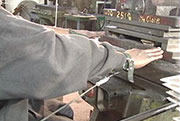 Ergonomics
– Industrial ErgonomicsIn recent years potential ergonomic problems have become a major concern in many business environments. Many facilities are now devoting significant time and effort to controlling the twisting, turning, stretching and other motions that place stress and strain on employees’ body.This video on “Industrial Ergonomics” cover recognizing ergonomic problems, potential adverse effects and pragmatic solutions employees can use to address to these problems.
It focuses on potential ergonomic problems in manufacturing, assembly and warehouse situations.
Topics covered in these products include:
- Physiology of the body
- Parts of the body most affected.
- Eye strain.
- Pragmatic preventative measures.
- Correct use of office equipment.
- Exercises and stress release.
- …and more.
Time: 13 Minutes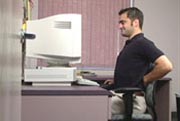 Ergonomics
– OfficeEvery job makes a different set of demands on the body. Today the issue of how this impacts employees, and what can be done to reduce or eliminate adverse effects is receiving a lot of attention.While there is much debate about many aspects of ergonomics, everyone agrees on one thing… that is by using proper ergonomic techniques, employees can be safer and more productive as well as feel better at the end of the day.
This training product on “Office Ergonomics” address how to recognize ergonomic problems, the potential of adverse effects and practical solutions employees themselves can use to help deal with ergonomic problems in the office.
Topics covered in these products include:
- Physiology of the body.
- Parts of the body most affected.
- Eye strain.
- Pragmatic preventative measures.
- Correct use of office equipment.
- Exercises and stress release.
- …and more.
Time: 21 Minutes Eye
Eye
SafetyMost employees take “healthy eyes” for granted. But our eyes are really very fragile, and statistics show that eye injuries occur frequently in the workplace.This video on “Eye Safety” show how many eye problems are caused by not paying attention to the work employees are doing, or not wearing the appropriate protective equipment.
They remind employees that eye injuries can easily happen to them and show them how to prevent these injuries.
Topics covered in these products include:
- Physiology of the eye and how it functions.
- Common eye injuries and how they are caused.
- Short and long-term effects of eye injuries.
- Eye care and safety practices.
- Selecting and using appropriate personal protective equipment.
- …and more.
Time: 13 Minutes Fall
Fall
ProtectionFalls are the second leading cause of death each year in the United States (after traffic accidents)!Over 10,000 people are killed every year as a result of falls… and 200,000 to 300,000 people are disabled. Eighty-five percent of all falls that occur on the job result in “lost work time”.
This training program “Fall Protection” provides the information employees need to work safely when they are “off the ground”, and satisfies the major training requirements in the OSHA Standard on Fall Protection.
Areas covered in the program include:
- The seriousness of fall hazards.
- Types of environments where falls may occur.
- The “Fall Protection Plan”.
- Concentrating and keeping a clear head.
- The importance of housekeeping in preventing falls.
- Measures that can be taken to protect against falls.
- Protective equipment.
Time: 12 Minutes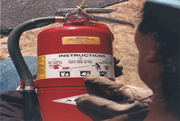 Fire
Fire
ExtinguishersAmong all the safety problems an employee can encounter, fire can be the most frightening.Every year fires cause hundreds of millions of dollars in damage and result in thousands of employee injuries, a number of which are fatal.
Yet many of these catastrophes could have been prevented if the fire had been extinguished before it started to spread.
This video on “Using Fire Extinguishers” look at why things burn, review the types of fire extinguishers that are found in facilities today, and discuss how to use fire extinguishers to fight small fires.
Topics covered in these products include:
- What causes things to burn.
- The concept of “flashpoint”.
- “Classes” of fires.
- Fire extinguisher labels.
- Chemical fire extinguishers.
- Water fire extinguishers.
- How to use a fire extinguisher.
- …and more.
Time: 18 Minutes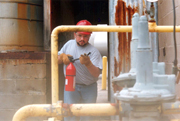 Fire Prevention
– IndustrialAmong all the safety problems an employee can encounter, fire can be the most frightening. Every year industrial fires cause millions of dollars in damage and result in hundreds of employee injuries, a number of which are fatal. Yet many employees do not realize how their own actions can contribute to the risk of fire.The training program “Industrial Fire Prevention” looks at what causes industrial fires, reviews steps that can be taken to help prevent fires and discusses what employees should do in case of a fire emergency.
Areas covered in the program include:
- Common causes of workplace fires.
- Preventing industrial fires.
- The concept of “flashpoint”.
- “Classes” of fires.
- Fire extinguishers.
- Handling flammable materials.
- Evacuation and other employee responsibilities.
- First aid.
- …and more.
Time: 22 Minutes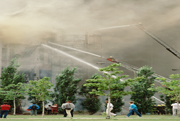 Fire Prevention
– Healthcare FacilitiesAmong all the safety problems an employee can encounter, fire can be the most frightening.Every year fires in healthcare facilities cause millions of dollars in damage and result in hundreds of injuries, a number of which are fatal.
Yet many employees do not realize how their own actions, or inactions, can contribute to the risk of fire.
This video on “Fire Prevention in Healthcare Facilities” look at how fires start, review steps that can be taken to help prevent fires and discuss what employees should do in case of a fire emergency.
Topics covered in these products include:
- Common causes of fires in healthcare facilities.
- Preventing fires.
- The concept of “flashpoint”.
- “Classes” of fires.
- Fire extinguishers.
- Handling flammable materials.
- Evacuation and other employee responsibilities.
- First aid.
- …and more.
Time: 19 Minutes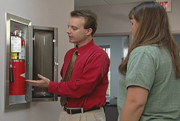 Fire Prevention
– OfficeAmong all the safety problems an employee can encounter, fire can be the most frightening.Every year office fires cause millions of dollars in damage and result in hundreds of employee injuries.
Yet many employees do not realize how their own actions can contribute to the risk of fire.
This video on “Fire Prevention in the Office” look at fires in office environments, review steps that can be taken to help prevent fires and discuss what employees should do in case of a fire emergency.
Topics covered in these products include:
- Common causes of office fires.
- The concept of “flashpoint”.
- “Classes” of fires.
- Importance of good housekeeping.
- Preventing office fires.
- Fire extinguishers.
- Evacuation and other employee responsibilities.
- First aid.
- …and more.
Time: 16 Minutes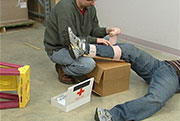 First
First
AidIn most facilities, not a day goes by without some type of injury occurring. It can be as serious as a chemical burn or as minor as a small cut.But any injury can be painful and affect an employee’s work performance… as well as activities off the job.
This training program “First Aid” shows employees that knowing basic first aid can often limit the severity of any type of injury, or even prevent a death.
Areas covered in the program include:
- Cuts and bleeding.
- Muscle pulls and sprains.
- Burns.
- Broken bones.
- Shock.
- Artificial respiration and CPR.
- …and more.
Time: 13 Minutes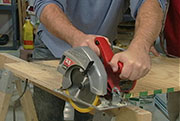 Hand & Power Tool
SafetyHand and power tools are used every day in many types of business. They make our work easier and allow us to be more efficient. However, we often fail to see the hazards these tools present.This training program “Hand and Power Tool Safety” shows how accidents can be significantly reduced by applying good general safety rules, and reviews what hazards are associated with the specific types of tools we use.
Areas covered in the program include:
- Matching the tool to the job.
- The importance of “state of mind”.
- Personal protective equipment.
- Good safety practices.
- Tool care and maintenance.
- …and more.
Time: 13 Minutes Hand Wrist & Finger
SafetyEach year over 500,000 people injure their hands, wrists or fingers. Nearly one out of four “on-the-job” accidents involve these parts of the body.To help reduce these problems it is important for employees to learn about the most common hazards to these areas of the body.
This video on “Hand, Wrist and Finger Safety” review hand, wrist and finger hazards and help employees to take the steps necessary to avoid them.
Topics covered in these products include:
- Physiology of the hand, wrist and fingers.
- Identification of common hazards.
- Proper work procedures.
- Tool use and maintenance.
- Using personal protective equipment.
- Injuries and first aid.
- …and more.
Time: 15 Minutes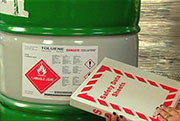 Hazardous
Material LabelsOne important method for identifying hazardous materials is through the use of container labels. From bottles and drums to trucks and railcars, labels and placards provide information about the contents of a container, as well as what to do and who to call in case of an emergency.Because this information is so critical for the safe handling and transporting of these potentially dangerous substances, several organizations have developed labeling and placarding systems to communicate to employees about a container’s contents.
This video on “Hazardous Materials Labels” are designed to help employees understand the characteristics of different labeling systems and the ways that each convey information.
By recognizing the differences and similarities of these systems, employees will be better prepared to work safely around hazardous materials.
Topics covered in these products include:
- Types of containers requiring labels and the information required on the label.
- Department of Transportation (DOT) hazardous material classifications.
- DOT label and placard requirements.
- United Nations identification numbers.
- The Hazardous Materials Identification System (HMIS).
- The National Fire Prevention Association (NFPA) labeling system.
- Hazardous waste labeling.
- …and more.
Time: 22 Minutes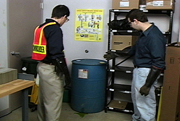 Hazardous
SpillsHazardous materials are a part of many work situations. They can be found in many different types of facilities and on many job sites… from manufacturing and construction to retail and office environments. Some organizations have to deal with hazardous materials as part of their daily business, and have detailed plans and highly trained workers to handle a sudden spill.But other facilities only have to handle these materials infrequently, and may not have given much thought to what must be done in case of a spill.
This training program “Dealing with Hazardous Spills” is designed to help employees who seldom have to face the dangers of a hazardous spill deal with a cleanup situation.
Areas covered in the program include:
- The Hazard Communication Plan.
- The Emergency Response Plan.
- Five levels of OSHA’s HAZMAT training.
- Initial spill response.
- Spill containment.
- Instruments used to identify chemicals involved in a spill.
- Additional hazards of a spill site.
- …and more.
Time: 23 Minutes Heat
Heat
StressEach year thousands of employees suffer the adverse effects of heat stress. Whether they work outdoors under the hot summer sun, or indoors with equipment and machinery that give off high levels of heat, these employees need to know how to recognize and prevent heat stress and other heat-related health problems.This training program “Heat Stress” reviews how heat affects the body, the steps employees can take to prevent heat stress, and elementary first aid that can be given to a worker who has been affected by a heat-related illness.
Areas covered in the program include:
- Situations leading to heat-related illnesses.
- Heat stress, heat exhaustion and heat stroke.
- How the body reacts to heat.
- Recognizing symptoms of heat stress.
- Preventing heat-related illnesses.
- First aid.
- …and more.
Time: 12 Minutes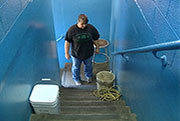 Housekeeping & Accident
PreventionGood safety housekeeping can significantly reduce accidents and injuries in any type of work environment. By developing good safety habits, and by being aware of work environments and any hazards associated with it, employees can reduce the risks.This training program “Safety Housekeeping and Accident Prevention” demonstrates to employees how to prevent workplace accidents by paying attention to safety housekeeping considerations.
Areas covered in the program include:
- Safety awareness.
- Rubbish and excess materials.
- Keeping aisles and stairways clean.
- Ropes and electric cords.
- Dealing with hazardous chemicals.
- Tool maintenance.
- Storage of tools.
- …and more.
Time: 13 Minutes Ladder
SafetyLadders are one of the most commonly used pieces of equipment in almost any work environment.From common stepladders to sophisticated extension ladders, they can be found almost everywhere.
This video on “Ladder Safety” show that because they are so common, many employees take ladders for granted, and don’t take the appropriate precautions when using ladders.
Topics covered in these products include:
- Ladder selection.
- Inspection and maintenance.
- Proper “set-up”.
- Overhead hazards.
- Climbing and working safely.
- Accidents and first aid.
- …and more.
Time: 12 Minutes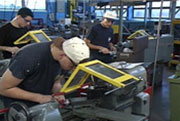 Machine Guard
SafetyMachinery comes in many sizes and shapes, and it can present many different types of hazards.Each year thousands of employees across the country are injured by the machines they are most familiar with… and which they believe are safe.
The risk of accidents from powered machinery is so great OSHA estimates that lack of machine guarding is the second most frequent safety violation in industry today.
This video on “Machine Guard Safety” are designed to help employees understand the dangers of working with machinery… and how those risks can be minimized by proper installation and use of safety guards and devices.
Topics covered in these products include:
- Basic machine operations.
- Fixed guards.
- Adjustable and self-adjusting guards.
- Interlock devices.
- Drive train and perimeter guards.
- “Drop probe” devices.
- Restrain and pullback devices.
- Adjustment, inspection and maintenance of safety guards.
- …and more.
Time: 19 Minutes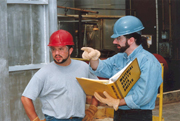 Material Safety Data Sheets
– General Safety programmesThe American National Standards Institute (ANSI), working with the Chemical Manufacturer’s Association (CMA), has developed the first standard format for Material Safety Data Sheets (MSDS).While this new MSDS format is not required under the OSHA Hazard Communication Standard, OSHA is encouraging its use. Perhaps as important, most of the large chemical manufacturers in the United States appear to be adopting this MSDS format.
This video on “The ANSI Material Safety Data Sheet” have been specifically created to educate employees about the ANSI MSDS format.
Topics covered in these products include:
- The importance of the MSDS.
- The MSDS’s role in the Hazard Communication Standard.
- Advantages of the ANSI format.
- Four basic questions the ANSI MSDS is designed to answer:
- What is the material, and what are its hazards?
- What should I do if a problem occurs?
- What precautions should I take when working with this material?
- Is there anything else I should know about this substance?
- Review of the sections in the ANSI Material Safety Data Sheet.
- …and more.
Time: 13 Minutes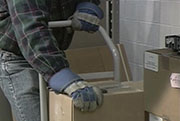 Materials Handling
SafetyMany employees feel that moving and handling materials that they work with every day is an “ordinary” task, not something that they really need to be concerned about.Yet there are hundreds of thousands of “materials handling” accidents every year… from small splinters, cuts or scrapes… to crushed fingers, hands and feet… even deaths.
This video on “Materials Handling Safety” provide the information employees need to work safely when handling various types of materials.
Topics covered in these products include:
- Types of potential hazards.
- Planning a job.
- Personal protective equipment.
- Proper lifting and moving techniques.
- Other ergonomic considerations.
- Hand trucks, carts and pallet trucks.
- Mechanical lifting devices.
- …and more.
Time: 14 Minutes Office
SafetyOffice employees frequently have the feeling that since they don’t work “out on a plant floor” safety isn’t important in their jobs.Yet accidents and injuries in the office account for thousands of hours of lost time, and millions of dollars in Workers’ Compensation and medical costs.
This video on “Office Safety” show employees what hazards exist in office environments, and how important it is to use good safety practices as they go about their work.
Topics covered in these products include:
- Safety awareness.
- Safety housekeeping.
- Slips, trips & falls.
- Electrical safety.
- …and more.
Time: 22 Minutes Rigging
SafetyWe have all heard the phrase… “A chain is only as strong as its weakest link”. When it comes to crane operations, rigging can often be that “weak link”.How a load is attached to a crane can make the difference between a successful lift and an unfortunate accident. And rigging-related accidents can often be deadly, due to the large and heavy loads that are lifted. A small miscalculation, or a brief moment of inattention, and tragedy could strike.
Once a load falls not much can be done to stop it, and there is little time for people to move safely out of the way. A coworker can be injured or killed, and expensive equipment and cargo could be damaged or destroyed… even the crane itself.
This training product on “Rigging Safety” point out to employees that over 90% of rigging-related accidents are caused by human error… and that they are the key to preventing these incidents.
Topics covered in these products include:
- Physical and mental preparation.
- Personal protective equipment.
- Equipment inspection.
- Hazard assessment.
- Slings and hitches.
- Hand signals.
- Load angles.
- …and more.
Time: 19 Minutes Safety
AuditsA single workplace accident can be devastating. Someone can be injured… or even killed. Property, equipment or materials can be damaged or destroyed.And work could come to a complete standstill. All of these things can happen if efforts are not made to protect employees. One way to accomplish this is to conduct a safety audit.
This is an examination of the work area to make sure it is as safe as possible and all potential hazards are corrected or removed.
This training product on “Safety Audits” inform employees about the goals of a safety audit, and how all workers should become involved.
Topics covered in these products include:
- A workplace analysis.
- Administrative controls.
- Engineering controls.
- Personal protective equipment.
- Emergency response procedures.
- Regulatory compliance, safety and health training.
- Accident investigation.
- A safety self-assessment.
- …and more.
Time: 15 Minutes Safety
OrientationThinking about safety should be as natural as thinking about other aspects of the job.Employees should be able to anticipate the possibility of accidents before they happen.
Yet workplace accidents cause millions of people to suffer painful injuries every year, and cost business in the USA alone almost $90 billion per year in medical bills, lost wages and lost production time.
This video on “Safety Orientation” address two of the most prominent safety issues confronting employers today… that of developing a good “safety attitude” in their employees, as well as providing “introductory safety training”.
Topics covered in these products include:
- Developing “safety awareness”.
- Basics of accident prevention.
- Hazard evaluation.
- Safety housekeeping.
- Tool use and maintenance.
- Fire prevention and safety.
- Use of personal protective equipment.
- …and more.
Time: 18 Minutes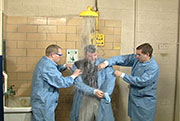 Safety Showers
& Eye WashesNo matter how many precautions employees take, accidents sometimes happen.In these situations quick action is essential, and if the incident involves a hazardous material, using a safety shower or eyewash can be extremely important.
This videoon “Safety Showers and Eye Washes” review for employees situations where safety showers and eye washes should be used, as well as how to properly use them.
Topics covered in these products include:
- Types of showers and eye washes.
- How to operate showers and eye washes correctly.
- Chemical splashes.
- Appropriate shower and eye wash techniques.
- Helping an accident victim use a shower/eye wash.
- First aid.
- Maintenance and testing of showers and eye washes.
- …and more.
Time: 12 Minutes Sexual Harassment Prevention
For EmployeesMost employees have heard the term “sexual harassment”. But many of them do not know exactly what it means.More importantly, they may not be aware that some of the things they do might be considered sexual harassment. When people think about sexual harassment they often picture a male supervisor cornering a female employee to make unwanted sexual advances.
While most reported cases do involve females being harassed by males, people of both genders, of any age and of any sexual orientation, can be victims.
The first in a three-part series on sexual harassment in the workplace, This training product on “Preventing Sexual Harassment… for Employees” discuss various forms of sexual harassment, explain how to avoid inadvertently sexually harassing someone and review the procedures employees should follow if they feel that they or a coworker are being sexually harassed.
Topics covered in these products include:
- What constitutes sexual harassment.
- Behaviors to avoid.
- Recognizing victims and harassers.
- Avoiding “accidental” harassment.
- How to handle a sexual harassment incident.
- Reporting sexual harassment to management.
- …and more.
Time: 16 Minutes Sexual Harassment Prevention
For Managers & SupervisorsMost managers and supervisors have heard about fines and lawsuits brought against companies that ignore “sexual harassment”.And while they are the first lines of defense in preventing sexual harassment incidents, many managers and supervisors don’t know what constitutes harassment, or what they should do if it occurs. Complicating things is that recognizing sexual harassment can be difficult.
Conduct that might appear harmless to one person could be harassment to others.
The second of a three-part series on preventing sexual harassment in the workplace, this training products on “Preventing Sexual Harassment… for Managers and Supervisors” look at behaviors and actions that can constitute sexual harassment, discuss why managers and supervisors must pay particular attention to what they say and do, and examine how to recognize sexual harassment in the workplace.
Topics covered in these products include:
- What constitutes sexual harassment.
- Managers’ and supervisors’ responsibilities.
- Preventing sexual harassment.
- Recognizing sexual harassment.
- What to do if sexual harassment occurs.
- …and more.
Time: 16 Minutes Sexual Harassment
– Handling An InvestigationSexual harassment can have an incalculable cost for victims, their families, friends and coworkers. Any form of sexual conduct in the workplace is inappropriate, and may constitute sexual harassment if the actions or comments are unwanted or threatening.But recognizing sexual harassment is only half the battle. If action isn’t taken quickly, and the situation is not resolved fairly, a company can face lawsuits and hefty fines.
In fact, the company’s reputation, business relationships and financial security could depend on how a manager or supervisor handles a sexual harassment incident.
The third of a three-part series on preventing sexual harassment in the workplace, this training product on “Handling a Sexual Harassment Investigation” look at a company’s legal responsibility to prevent and deal with sexual harassment incidents, examine policies and procedures that should be followed when investigating allegations of sexual harassment, and discuss how to interview apparent victims, alleged harassers and potential witnesses.
Topics covered in these products include:
- A company’s legal responsibility regarding sexual harassment.
- Conducting an ethical investigation.
- Beginning the investigation process.
- Documenting harassment allegations.
- Interviewing alleged harassers and witnesses.
- …and more.
Time: 20 Minutes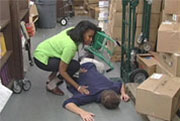 Slips Trips
& FallsMost employees don’t give much thought to the prospect of slipping, tripping or even falling on the job.Yet these types of accidents account for more workplace injuries annually than any other accident category. Many of these injuries can be disabling… or even fatal.
This Video on “Slips, Trips and Falls” show employees the situations that can lead to slips, trips and falls, and what they can do to avoid or prevent these accidents.
Topics covered in these products include:
- Why slips, trips and falls occur.
- Common causes of accidents.
- Potential health effects of resulting injuries.
- Techniques used to avoid injury.
- The importance of safety shoes.
- How to ” fall safely”.
- …and more.
Time: 17 Minutes Welding
SafetyPeople have been welding in one form or another for over 2,000 years. But like many industrial processes, welding can be very dangerous.Whether an employee is working with the hazardous gases of an “oxyacetylene” unit… the high voltage of “stick welding”… or the combination of gas and electricity that powers “MIG” and “TIG” operations… flying sparks, toxic fumes, electric shock and high temperatures are just some of the things that can make welding a dangerous proposition.
This video on “Welding Safety” remind employees that there are indeed a number of hazards associated with welding, and provide the information they need to work safely when involved with welding operations.
Topics covered in these products include:
- Getting “authorization” for welding operations.
- Sparking and the risk of fire.
- Guards and protective barriers.
- Hazardous fumes and ventilation.
- The use of respirators and other personal
- protective equipment.
- Eye protection (welding helmets, filters, glasses and goggles)
- Inspecting welding equipment.
- Proper welding safety procedures.
- …and more.
Time: 14 Minutes Wellness
& FitnessA good wellness and fitness program can significantly improve employees’ safety records.Studies have found that accidents and injuries occur less frequently with employees who are healthier and in better shape.
This video on “Wellness and Fitness” show employees how small changes in lifestyles can produce big benefits.
While wellness is a gradual process, eliminating negative lifestyle factors can help keep employees healthy.
Topics covered in these products include:
- The importance of “attitude.”
- Blood pressure and other stress related conditions.
- Smoking.
- Nutrition and weight control.
- Drug and alcohol use.
- Exercise.
- …and more.
Time: 13 Minutes Workplace Harassment
in Industrial FacilitiesMost of us cannot do our work without interacting with other people. Effective communication is usually part of the job, and cooperation can be essential.When interaction, communication and cooperation are hindered in some way the workplace can become “toxic” and threaten our sense of well-being. Feelings of stress, frustration and anger can boil to the surface.
Attendance, productivity, quality and safety often suffer.
When people hear the word “harassment” they usually think of sexually-related activity. But harassment encompasses a wide range of behavior… from practical jokes to intimidation.
It can also include threats, verbal abuse and discrimination, even stalking and assault… and anyone can be subject to it.
This Video on “Workplace Harassment in Industrial Facilities” discuss the various types of harassment that are found in the workplace, how they can affect an employee’s work situation and what employees themselves can do to help prevent workplace harassment.
Topics covered in these products include:
- The nature of workplace harassment.
- How to recognize various types of harassment.
- How to handle verbal abuse and threats.
- The many forms sexual harassment can take.
- How to recognize the many variations of “assault”.
- Knowing what to do, and what not to do, when confronted with a stalker.
- How fostering a positive workplace environment can increase productivity and safety.
- …and more.
Time: 17 Minutes Workplace Harassment
in the OfficeMost of us cannot do our work without interacting with other people. Effective communication is usually part of the job, and cooperation can be essential.When interaction, communication and cooperation are hindered in some way the workplace can become “toxic” and threaten our sense of well-being. Feelings of stress, frustration and anger can boil to the surface.
Attendance, productivity, quality and safety often suffer.
When people hear the word “harassment” they usually think of sexually-related activity. But harassment encompasses a wide range of behavior… from practical jokes to intimidation. It can also include threats, verbal abuse and discrimination, even stalking and assault… and anyone can be subject to it.
This video on “Workplace Harassment in the Office” discuss the various types of harassment that are found in the workplace, how they can affect an employee’s work situation and what employees themselves can do to help prevent workplace harassment.
Topics covered in these products include:
- The nature of workplace harassment.
- How to recognize various types of harassment.
- How to handle verbal abuse and threats.
- The many forms sexual harassment can take.
- How to recognize the many variations of “assault”.
- Knowing what to do, and what not to do, when confronted with a stalker.
- How fostering a positive workplace environment can increase productivity and safety.
- …and more.
Time: 17 Minutes Workplace
StressIn the fast-paced world that we live in, we are always encountering situations that can be stressful. Many of these occur at work. Yet stress, and its effects on our ability to do our jobs, is a subject that is often overlooked.This training product on “Workplace Stress” help employees identify potentially stressful situations and learn how to cope with them.
Topics covered in these products include:
- Situations causing stress.
- Positive versus negative stress.
- Recognizing symptoms of stress.
- Effects of stress on the mind and body.
- Eliminating “stress factors”.
- Stress-relieving exercises.
- …and more.
Time: 13 Minutes Workplace
ViolenceOne out of every six violent crimes occurs in the workplace.And while workplace homicides grab the headlines… (homicide is the second leading cause of death on the job and the number one killer of women in the workplace)… other forms of workplace violence happen much more frequently.
No organization, regardless of size or type of business, is immune to workplace violence.
This video on “Workplace Violence” show employees how to recognize the warning signs of possible violent behavior, as well as how to avoid or defuse potentially dangerous situations.
Topics covered in these products include:
- Underlying causes of workplace violence.
- The warning signs.
- Aggressive behavior.
- Threats and verbal abuse.
- Sexual harassment.
- Physical assault.
- Armed assailants.
- Fostering a positive workplace environment.
- …and more.
Time: 14 Minutes
 Aerial Lifts in Industrial and Construction Environments
Reaching high places can be challenging in many work environments.
Aerial Lifts in Industrial and Construction Environments
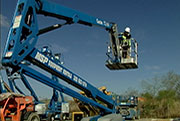
Reaching high places can be challenging in many work environments.But whether they’re on a construction site, changing light bulbs in a warehouse, or performing outdoor utility work, employees often use aerial lifts to help them access work areas that would otherwise be almost impossible to get to.
SafetyMax’s training products on “Aerial Lifts in Industrial and Construction Environments” review the various types of aerial lifts, make employees aware of the hazards that are associated with these lifts, and give them the information that they’ll need to work safely… whether they’re using a lift or working around one.
Topics covered in the program include:
- The types of aerial lifts and the training required to operate them.
- The hazards associated with using aerial lifts.
- The hazards associated with using aerial lifts.
- Setting up, operating and moving an aerial lift.
- Working on the ground near an aerial lift.
Time: 13 Minutes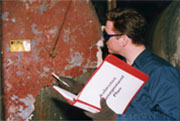 Asbestos
AwarenessIn August of 1994, OSHA issued 29 CFR 1910.1101… “Occupational Exposure to Asbestos.” This regulation requires that all employees who could come into contact with materials that might contain Asbestos be given appropriate training on working safely in these situations.For many years Asbestos was commonly used in ceiling tiles, flooring, wall and pipe insulation, and other building materials. Because Asbestos is still commonly found in older structures, the “Occupational Exposure to Asbestos” regulation applies to any worker who may be exposed to this material, including custodial, janitorial and maintenance personnel.
This training program “Asbestos Awareness” has been created specifically to educate employees about the dangers of working with materials that may contain Asbestos. The program provides the majority of the information needed to satisfy the training requirements for Class IV employees under the OSHA regulation.
Areas covered in the program include:
- The hazards of Asbestos.
- OSHA’s Asbestos Standard.
- The composition and nature of Asbestos.
- The types of materials that may contain Asbestos, and where they are encountered.
- Limiting exposure to Asbestos.
- How to protect yourself when disturbing a material that may contain Asbestos.
- Special considerations such as air monitoring and decontamination.
- …and more.
Time: 14 Minutes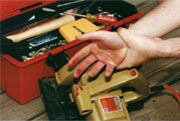 Blood Borne Pathogens
– Commercial & Light Industrial FacilitiesBloodborne diseases are a serious concern in the working environment. “Hepatitis B” infects over 70,000 people annually, and has over one million “carriers” in the U.S alone.The HIV virus, which usually leads to AIDS, currently infects over one million people. Because of the increasing problems with these diseases, many regulators have passed a “Bloodborne Pathogens” regulation.
Topics covered in these products include:
- Epidemiology and symptoms of bloodborne diseases.
- Modes by which bloodborne disease is transmitted.
- The Exposure Control Plan.
- Recognition of exposure situations.
- Practices to prevent exposure.
- HBV vaccination.
- Emergency Procedures.
- Signs and labels.
- Selection and use of personal protective equipment.
- …and more.
Time: 24 Minutes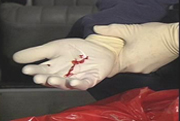 Blood Borne Pathogens
– First Response EnvironmentBloodborne diseases are a serious concern in the working environment. “Hepatitis B” infects over 70,000 people annually, and has over one million “carriers” in the U.S. Alone.The HIV virus, which usually leads to AIDS, currently infects over one million people. Because of the increasing problems with these diseases many organisations have passed a “Bloodborne Pathogens” regulation.
This video on “Bloodborne Pathogens in First Response Environments” … incorporating the latest medial language and needlestick guidelines… have been specifically created to assist first responders.
Topics covered in these products include:
- Epidemiology and symptoms of bloodborne diseases.
- Modes by which bloodborne disease is transmitted.
- The Exposure Control Plan.
- Recognition of exposure situations.
- Practices to prevent exposure.
- HBV vaccination.
- Emergency procedures.
- Signs and labels.
- Selection and use of personal protective equipment.
- …and more.
Time: 26 Minutes Blood Borne Pathogens
– Healthcare FaciitiesBloodborne diseases are a serious concern in the working environment.“Hepatitis B” infects over 70,000 people annually, and has over one million “carriers” in the U.S. The HIV virus, which usually leads to AIDS, currently infects millions of people. Because of the increasing problems with these diseases,many organisations have passed “Bloodborne Pathogens” regulation.
This video on “Bloodborne Pathogens in Healthcare Facilities”… incorporates the latest medical language and needlestick guidelines.
Topics covered in these products include:
- Epidemiology and symptoms of bloodborne diseases.
- Modes by which bloodborne disease is transmitted.
- The Exposure Control Plan.
- Recognition of exposure situations.
- Practices to prevent exposure.
- HBV vaccination.
- Emergency procedures.
- Signs and labels.
- Selection and use of personal protective equipment.
- …and more.
Time: 27 Minutes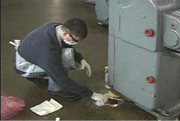 Blood Borne Pathogens
– Heavy IndustryBloodborne diseases are a serious concern in the working environment. “Hepatitis B” infects over 70,000 people annually, and has over one million “carriers” in the U.S. alone The HIV virus, which usually leads to AIDS, currently infects over one million people.This video on “Bloodborne Pathogens in Heavy Industry” have been specifically created to assist facilities in Bloodborne Pathogens situations.
Topics covered in these products include:
- Epidemiology and symptoms of bloodborne diseases.
- Modes by which bloodborne disease is transmitted.
- The Exposure Control Plan.
- Recognition of exposure situations.
- Practices to prevent exposure.
- HBV vaccination.
- Emergency procedures.
- Signs and labels.
- Selection and use of personal protective equipment.
- …and more.
Time: 24 Minutes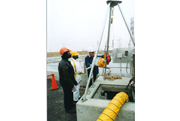 Confined Space
EntryThese products were created specifically for OSHA’s Permit Required Confined Space Regulation (29 CFR Part 1910.146).Because of OSHA’s broad definition of “confined space”, this video will be useful to a number of different types of facilities, including manufacturers, utilities, petroleum and chemical industries, hospitals and many others.
This video on “Confined Space Entry” address the major areas of employee training required by the regulation.
Topics covered in these products include:
- Contents of the standard.
- Responsibilities of the employer, entry supervisors, attendants and entrants.
- Identifying permit spaces.
- Types of hazards that can be encountered.
- Safety equipment.
- Dealing with emergencies and rescue teams.
- …and more.
Time: 19 Minutes Emergency
PlanningMost regulations call for all facilities to meet a number of Emergency Preparedness/Crisis Management requirements. These include:That every facility have an “Emergency Plan” that spells out what is to be done in case of an emergency. That this plan, as well as other important information, be shared with the local Emergency Planning Committee and emergency response groups such as the police, fire department and others.
This training product on “Emergency Planning” assist facilities in complying with these regulations and help them prepare for potential emergency situations.
Topics covered in these products include:
- Types of emergencies.
- The emergency plan.
- The “crisis management team”.
- Evacuation.
- Communications.
- The role of outside agencies.
- Practice sessions and drills.
- …and more.
Time: 13 Minutes Forklift & Power Industrial
Truck SafetyForklifts and other powered industrial trucks are indispensable in many companies. They are rugged, powerful tools that save time, money and effort.But the same qualities that make them so helpful can also make them dangerous.
Using powered industrial trucks results in over 100 fatalities and over 35,000 serious injuries each year. When used incorrectly, or if forklifts and other trucks are not properly maintained, they can do significant damage.
This video on “Forklift/Powered Industrial Truck Safety” have been specifically created to assist facilities in complying with OSHA’s Powered Industrial Truck Standard.
Topics covered in these products include:
- OSHA’s certification process.
- The seven classes of industrial trucks.
- Equipment checkout and maintenance.
- A forklift’s stability triangle.
- Safe operating procedures.
- Lifting and lowering loads.
- Trucks and loading docks.
- …and more.
Time: 28 Minutes Globally Harmonised System – An Introduction
Created specifically to assist facilities in complying with the employee training requirements of OSHA’s newly adopted GHS regulations, these products discuss the Globally Harmonized System for the Classification and Labeling of Chemicals.
Globally Harmonised System – An Introduction
Created specifically to assist facilities in complying with the employee training requirements of OSHA’s newly adopted GHS regulations, these products discuss the Globally Harmonized System for the Classification and Labeling of Chemicals.SafetyMax’s training products on “Introduction to GHS (The Globally Harmonized System)” review what the Globally Harmonized System is all about, why OSHA adopted the GHS, and the phase-in dates for implementing the GHS.
Topics covered in these products include:
- What is the Globally Harmonized System?
- Why Did OSHA adopt the GHS?
- Hazard classification.
- The “Safety Data Sheet”.
- Container labeling (text elements).
- Container labeling (pictograms).
- Information and training.
- GHS “phase in” dates.
- and more.
Time: 20 Minutes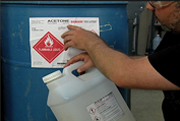 Globally Harmonised System – Container Labeling
Created specifically to assist facilities in complying with the employee training requirements of OSHA’s newly adopted GHS regulations, these products discuss how chemicals should be labeled under GHS.
Globally Harmonised System – Container Labeling
Created specifically to assist facilities in complying with the employee training requirements of OSHA’s newly adopted GHS regulations, these products discuss how chemicals should be labeled under GHS.SafetyMax’s training products on “GHS Container Labeling” discuss the six types of information contained on a GHS label, and the differences between GHS labels and other types of chemical hazard labels.
Topics covered in these products include:
- How the GHS changes chemical hazard labeling.
- GHS labels’ text elements.
- GHS labels’ pictograms.
- Training and phase-in dates.
- and more.
Time: 16 Minutes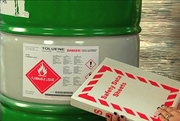 Globally Harmonised System – Safety Data Sheets
Created specifically to assist facilities in complying with the employee training requirements of OSHA’s newly adopted GHS regulations, these products discuss using GHS Safety Data Sheets.
Globally Harmonised System – Safety Data Sheets
Created specifically to assist facilities in complying with the employee training requirements of OSHA’s newly adopted GHS regulations, these products discuss using GHS Safety Data Sheets.SafetyMax training products on “GHS Safety Data Sheets” review the composition of GHS Safety Data Sheets, the information that’s contained in each section and how SDS’s are different from Material Safety Data Sheets. Topics covered in the program include:
Topics covered in these products include:
- Material Safety Data Sheets and GHS SDS’s.
- Materials and their hazards.
- Hazardous materials emergencies.
- Handling hazardous materials.
- and more.
Time: 16 Minutes Hearing Conservation
& SafetyEverywhere we go we encounter noise. And if this noise is loud enough, or has certain characteristics, it can cause damage to our hearing… often permanently.Over 15 million Americans have a measurable hearing loss, most often caused by “on-the-job” injuries.
Yet many employees don’t realize that not only can hearing problems affect their work, they can alter their personal lives dramatically as well.
This video on “Hearing Conservation and Safety” have been specifically created to assist facilities in complying with OSHA’s revised Hearing Conservation Standard.
Topics covered in these products include:
- How our ears “work”.
- Types of hearing damage/loss.
- Common causes of hearing damage/loss.
- Potential effects of hearing damage.
- Noise avoidance and hearing safety practices.
- Selection and use of personal protective equipment.
- …and more.
Time: 27 Minutes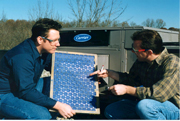 Indoor
Air QualityIt is all around us, and we breathe it every day to stay alive. But how “clean” is the air that we breathe? While we know that it contains oxygen, hydrogen and nitrogen, there may be other substances in the air around us that we do not know about… such as dust, mites, spores, bacteria and hazardous fumes.Air pollution is not just an outdoor problem. Contaminated air inside a workplace can lead to major health problems… long-term exposure to contaminants can cause asthma and even emphysema. In fact, indoor air quality is enough of a concern that the Environmental Protection Agency (EPA) and the National Institute for Occupational Safety and Health (NIOSH) have created an Indoor Air Quality Guide.
The training program “Indoor Air Quality” shows employees the potentially harmful effects of poor air quality, and will help them prevent, identify and correct air quality problems.
Areas covered in the program include:
- The sources of air contamination.
- Adhesives, solvents and vehicle exhaust.
- How a building’s occupants affect indoor air quality.
- Smoking and second-hand smoke.
- The use of humidifiers and dehumidifiers.
- Pollutant pathways, including air ducts and crawlspaces.
- Heating and air-conditioning systems.
- The symptoms and signs of poor air quality.
- …and more.
Time: 13 Minutes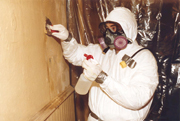 Lead Exposure in
Construction & General IndustryThis video on “OSHA Lead Standards” address the major areas of employee training required by the regulations.Because of the widespread historical use of lead-based paints, as well as other materials containing lead, these products are useful to a number of different groups including building/construction companies, manufacturers, recyclers and many others.
Topics covered in these products include:
- Contents of the standards.
- “Measurement” concepts.
- Permissible exposure limits (PEL)
- Time weighted average (TWA)
- Action levels
- Exposure assessment and monitoring.
- Methods of compliance.
- Hygiene and housekeeping.
- Medical surveillance.
- …and more.
Time: 21 Minutes Lockout – Tagout
Created specifically to assist facilities in complying with the employee training requirements of OSHA’s “Lock-Out/Tag-Out” regulation, these products discuss the OSHA Lock-Out/Tag-Out Standard, including the Energy Control Plan.
Lockout – Tagout
Created specifically to assist facilities in complying with the employee training requirements of OSHA’s “Lock-Out/Tag-Out” regulation, these products discuss the OSHA Lock-Out/Tag-Out Standard, including the Energy Control Plan.This video on “Lock-Out/Tag-Out” use environments familiar to employees working with both electric and hydraulic/pneumatic equipment and point out specifically where Lock-Out/Tag-Out procedures should be applied.
Topics covered in these products include:
- The regulation itself.
- “Energized” machinery.
- Lock-Out/Tag-Out concepts and procedures.
- Lock-Out/Tag-Out devices.
- Electrical systems.
- Hydraulic and pneumatic systems.
- …and more.
Time: 22 Minutes OSHA Laboratory
StandardThese products have been created specifically to assist facilities in fulfilling their OSHA Laboratory Standard employee training requirements.This video on “The OSHA Laboratory Standard” address the three major areas needed to comply with the standard… general information about the standard itself… commonly used chemicals… and safe chemical handling.
Topics covered in these products include:
- The Chemical Hygiene Plan.
- Chemical hazard concepts.
- The Material Safety Data Sheet (MSDS).
- Common chemical “families”.
- Characteristics and potential effects of chemicals.
- Container labeling.
- Use of personal protective equipment.
- Clean-up procedures.
- …and more.
Time: 22 Minutes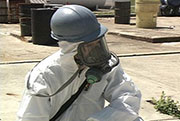 Personal Protective
Equipment“On-the-job” injuries affect all types of people doing all types of work. Each year over 570,000 workers are injured… at a cost to employers of over $100 billion annually.Government surveys show that the most common cause of workplace injuries today is due to employees not using proper PPE.
Virtually everyone will experience one or more “on the job” injuries during their working life. In most cases appropriate equipment is readily available, yet employees do not recognize the need for this equipment, or take the time to use it.
This video assist facilities in complying with OSHA’s Standard on Personal Protective Equipment.
Topics covered in these products include:
- Review of OSHA’s Personal Protective Equipment (PPE) Standard.
- PPE for eye and face hazards.
- PPE for respiratory hazards.
- PPE for head hazards.
- PPE for foot hazards.
- PPE for electrical hazards.
- PPE for hand and finger hazards.
- …and more
Time: 27 Minutes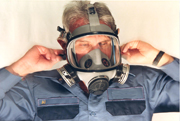 Respiratory Protection
& SafetyOne of the problems with many respiratory hazards (such as fumes or gases) is that employees cannot easily “see” them. Even more visible hazards, such as dusts, are often accepted as part of a “normal” work environment.As a result, many respiratory problems only become clearly evident well after the original exposure. Yet once they occur, most respiratory problems are “chronic” and long lasting. To further protect employees from these hazards, both OSHA and NIOSH have issued changes to their respiratory protection requirements.
Topics covered in these products include:
- How the respiratory system “works.”
- Common types and causes of respiratory hazards.
- Potential effects of respiratory hazards.
- Good respiratory safety practices.
- Respiratory safety equipment.
- OSHAs Assigned Protection Factors for respirators.
- Fit testing protocols.
- Cleaning/disinfecting procedures.
- …and more.
Time: 22 Minutes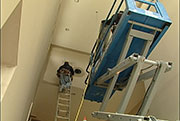 Scissor Lifts in Industrial and Construction Environments
Accessing high places can be difficult in many work environments.
Scissor Lifts in Industrial and Construction Environments
Accessing high places can be difficult in many work environments.To reach these areas, many workers use scissor lifts. Nearly everyone has seen a scissor lift. They’re common on construction sites, both inside and out, and are often found in warehouses and other large buildings as well.
SafetyMax’s training products on “Scissor Lifts in Industrial and Construction Environments” introduce employees to scissor lifts, make them aware of the hazards associated with these lifts and give them the information they need to work safely using a scissor lift or working near one.
Topics covered in these products include:
- The types of scissor lifts and the training needed to operate them.
- The hazards associated with using scissor lifts.
- “Pre-start” and “worksite” inspections.
- Setting up, operating and moving a scissor lift.
- Working on the ground near a scissor lift.
Time: 13 Minutes Supported Scaffolding
SafetyWhenever a worker leaves the ground, the risk of an accident occurring increases dramatically. With more than 10,000 scaffold related injuries reported each year, OSHA has mandated that workers be trained on how to safely erect and use these work platforms.These products will help employers meet the training requirements of OSHA’s Scaffolding regulation.
This training products on “Supported Scaffolding Safety” help employees understand the dangers of working with scaffolds, and how these risks can be minimized by knowing the correct ways to erect, maintain and use scaffolding equipment.
Topics covered in these products include:
- Responsibilities of a “scaffold expert”.
- Creating a level and stable foundation.
- Platforms and planking.
- The danger of power lines.
- Ramps and walkways.
- Platform hazards.
- Personal fall arrest systems.
- Guarding against falling objects.
Time: 20 Minutes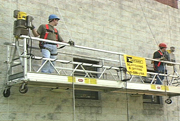 Suspended Scaffolding
SafetyWhenever a worker leaves the ground, the risk of an accident occurring increases dramatically.With more than 10,000 scaffold related injuries reported each year, OSHA has mandated that workers be trained on how to safely erect and use these work platforms.
These products will help employers meet the training requirements of OSHA’s Scaffolding regulation.
This training product on “Suspended Scaffolding Safety” help employees understand the dangers of working with scaffolds, and how these risks can be minimized by knowing the correct ways to erect, maintain and use scaffolding equipment.
Topics covered in these products include:
- Responsibilities of a “scaffold expert”.
- Platforms and planking.
- The danger of power lines.
- Platform hazards.
- Personal fall arrest systems.
- Guarding against falling objects.
- …and more.
Time: 20 Minutes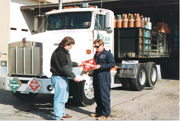 Transporting HazMat
– General Awareness ProgramThis Program focuses on employees who handle hazardous materials. The video/DVD program reviews a number of topics aimed at making these employees more aware of situations in which they may encounter hazardous chemicals, the nature of the hazards the chemicals may have, and the issue of taking appropriate security measures when dealing with hazardous materials that the DOT has added to the regulation.The video includes information on:
- The regulation itself.
- Hazardous materials, definitions and classes.
- Hazard communication.
- Hazard “indicators”, such as labels, shipping papers and placards.
- Where hazardous materials may be encountered.
- Packaging.
- Shipping.
- Transport (trucks, ships, rail, etc.).
- Storage.
- Security risks and terrorism.
- …and more!
Time: 17 Minutes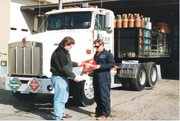 Transporting HazMat
– Safety TrainingIn an effort to fight terrorism and improve the security of hazardous materials being shipped, the Department of Transportation has added three major security requirements to their HAZMAT regulations. Companies that handle hazardous materials must develop a “Security Plan”, and give their employees “Security Awareness” and “In-Depth Security” training.“Transporting HAZMAT Security Awareness” was created to help employers provide their employees with the security awareness portion of the DOT training.
The video/DVD program gives employees an awareness of the security risks associated with transporting hazardous materials.
The video includes information on:
- The DOT’s HAZMAT security requirements.
- Security risks associated with transporting hazardous materials.
- Methods that have been designed to enhance transportation security.
- How to recognize security risks.
- Responding to possible security threats.
- …and more!
Time: 13 Minutes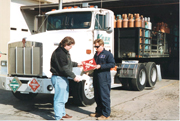 Transporting HazMat
– Security AwarenessCreated specifically for the Department of Transportation’s HAZMAT training regulation on Handling and Transporting Hazardous Materials, these products provide the “Safety Training” required by the regulation.While these products can be used by themselves, they can also be used as companion products to Transporting HAZMAT “General Awareness” products.
This video on Transporting HAZMAT Safety Training” focus on employees who handle hazardous materials. These products make employees aware of the hazards associated with the materials they handle… and show them how to secure and work with these materials safely.
Topics covered in these products include:
- The regulation itself. Hazardous materials that employees may encounter.
- Hazard “indicators”, such as labels, shipping papers and placards.
- The use of personal protective equipment.
- Proper handling procedures, and methods and procedures for avoiding accidents.
- Accidents/emergencies involving hazardous materials.
- Spills and cleanup procedures.
- Security risks and terrorism.
- …and more.
Time: 18 Minutes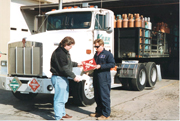 Transporting HazMat
– In-Depth Security TrainingIn an effort to fight terrorism and improve the security of hazardous materials being shipped, the Department of Transportation has added three major security requirements to their HAZMAT regulations. Companies that handle hazardous materials must develop a “Security Plan”, and give their employees “Security Awareness” and “In-Depth Security” training.“HAZMAT Security Awareness” was created to help employers provide their employees with the security awareness portion of the DOT training. The video/DVD program gives employees an awareness of the security risks associated with transporting hazardous materials.
The video/DVD and employee booklets include information on:
- The DOT’s HAZMAT security requirements.
- Security risks associated with transporting hazardous materials.
- Methods that have been designed to enhance transportation security.
- How to recognize security risks.
- Responding to possible security threats.
- …and more.
Time: 13 Minutes Tuberculosis Awareness
– First Responder EnvironmentThis video is designed to assist facilities and operations whose employees have a risk of exposure to tuberculosis.They also help employees understand the nature of the disease, as well as what they can do to protect themselves from infection.
Topics covered in these products include:
- Epidemiology and symptoms of tuberculosis.
- Modes by which tuberculosis is transmitted.
- The CDC Guidelines.
- The Exposure Control Plan.
- Recognition of exposure situations.
- Practices to prevent exposure.
- Administrative and engineering controls.
- Selection and use of personal protective equipment (including respirators).
- …and more.
Time: 21 Minutes Tuberculosis Awareness
– Healthcare EnvironmentThis video on “Guarding Against Tuberculosis in the Healthcare Environment” include the changes in respiratory protection requirements.This video is designed to assist facilities and operations whose employees have a risk of exposure to tuberculosis.
They also help employees understand the nature of the disease, as well as what they can do to protect themselves from infection.
Topics covered in these products include:
- Epidemiology and symptoms of tuberculosis.
- Modes by which tuberculosis is transmitted.
- The CDC Guidelines.
- The Exposure Control Plan.
- Recognition of exposure situations.
- Practices to prevent exposure.
- Administrative and engineering controls.
- Selection and use of personal protective equipment (including respirators).
- …and more.
Time: 22 Minutes Tuberculosis Awareness
– Institutional EnvironmentThis video is designed to assist facilities and operations whose employees have a risk of exposure to tuberculosis.They also help employees understand the nature of the disease, as well as what they can do to protect themselves from infection.
Topics covered in these products include:
- Epidemiology and symptoms of tuberculosis.
- Modes by which tuberculosis is transmitted.
- The CDC Guidelines.
- The Exposure Control Plan.
- Recognition of exposure situations.
- Practices to prevent exposure.
- Administrative and engineering controls.
- Selection and use of personal protective equipment (including respirators).
- …and more.
Time: 21 Minutes
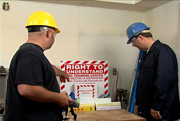 Hazard Communications –
A Refresher ProgramAll of OSHA’s recent regulations not only call for employees to receive initial training, but require that employees knowledge be “refreshed”… through retraining… on at least an annual basis.Since the detailed information that is required by the regulations has normally been given to employees during their initial training, retraining sessions can usually focus on things like reminding employees that they should be paying attention to the regulation in question… and heightening their “awareness” about how the regulation affects their jobs.
SafetyMax’s refresher training products on “Hazard Communication” give employees the information they need to refresh their knowledge of OSHA’s Hazard Communication Standard… as cost effectively as possible.
Topics covered in these products include:
- GHS Safety Data Sheets and container labels.
- Toxins, corrosives and irritants.
- Flammables, combustibles and gases.
- Carcinogens and radiation.
- Exposure situations.
- Personal protective equipment and chemical storage.
- Spills and clean-up.
- and more.
Time: 14 Minutes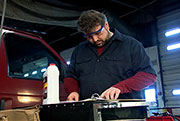 Hazard Communications
For Auto Service FacilitiesCreated specifically to assist auto service facilities of all types in complying with federal, state and municipal “Right-To-Know” regulations, these products also address the major education and training requirements in these “chemical hazard” laws.This Video on “Right-To-Know for Auto Service Facilities” both introduce employees to the “Right-To-Know” regulations and provide training on the various types of chemicals found in auto service environments.
Topics covered in these products include:
- Chemical hazard concepts.
- The Material Safety Data Sheet (MSDS).
- Types of hazardous chemicals.
- Characteristics and effects of various types of chemicals.
- Safe handling practices.
- Container labeling.
- Use of personal protective equipment (PPE).
- Spills and cleanup.
- …and more.
Time: 22 Minutes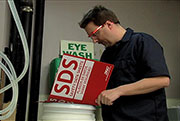 Hazard Communications
For Cleaning & Maintenance OperationCreated specifically to assist cleaning and maintenance facilities of all types in complying with federal, state and municipal “Right-To-Know” regulations, these products also address the major education and training requirements in these “chemical hazard” laws.This video on “Right-To-Know for Cleaning and Maintenance Services” both introduce employees to the “Right-To-Know” regulations and provide training on the various types of chemicals found in cleaning & maintenance environments.
Topics covered in these products include:
- Chemical hazard concepts.
- The Material Safety Data Sheet (MSDS).
- Types of hazardous chemicals.
- Characteristics and effects of various types of Chemicals.
- Safe handling practices.
- Container labeling.
- Use of personal protective equipment (PPE).
- Spills and cleanup.
- …and more.
Time: 21 Minutes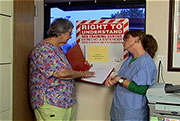 Hazard Communications
For Healthcare FacilitiesCreated specifically to assist healthcare facilities of all types in complying with federal, state and municipal “Right-To-Know” regulations, these products also address the major education and training requirements in these “chemical hazard” laws.This video on “Right-To-Know for Healthcare Facilities” both introduce employees to the “Right-To-Know” regulations and provide training on the various types of chemicals found in healthcare environments.
Topics covered in these products include:
- Chemical hazard concepts.
- The Material Safety Data Sheet (MSDS).
- Types of hazardous chemicals.
- Characteristics and effects of various types of chemicals.
- Safe handling practices.
- Container labeling.
- Use of personal protective equipment (PPE).
- Spills and cleanup.
- …and more.
Time: 21 Minutes Hazard Communications
For Hospitality IndustryCreated specifically to assist hospitality facilities of all types in complying with federal, state and municipal “Right-To-Know” regulations, these products also address the major education and training requirements in these “chemical hazard” laws.This video on “Right-To-Know for the Hospitality Industry” both introduce employees to the “Right-To-Know” regulations and provide training on the various types of chemicals found in hospitality environments.
Topics covered in these products include:
- Chemical hazard concepts.
- The Material Safety Data Sheet (MSDS).
- Types of hazardous chemicals.
- Characteristics and effects of various types of chemicals.
- Safe handling practices.
- Container labeling.
- Use of personal protective equipment (PPE).
- Spills and cleanup.
- …and more.
Time: 21 Minutes Hazard Communications
For Industrial FacilitiesCreated specifically to assist industrial facilities of all types in complying with federal, state and municipal “Right-To-Know” regulations, these products also address the major education and training requirements in these “chemical hazard” laws.This video on “Right-To-Know for Industrial Facilities” both introduce employees to the “Right-To-Know” regulations and provide training on the various types of chemicals found in industrial environments.
Topics covered in these products include:
- Chemical hazard concepts.
- The Material Safety Data Sheet (MSDS).
- Types of hazardous chemicals.
- Characteristics and effects of various types of chemicals.
- Safe handling practices.
- Container labeling.
- Use of personal protective equipment (PPE).
- Spills and cleanup.
- …and more.
Time: 21 Minutes
 Hazard Communications
 Hazard Communications