View some samples of MaxTrax PREMIER here. Scroll down the thumbnails to view all the samplers.
- Laboratory Safety
- Hazwoper Series
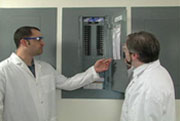 Electrical Safety
In The LaboratoryToday, laboratories rely on a vast array of electrically powered equipment. To work safely with this equipment, employees need to understand how electricity works, be aware of common electrical hazards and know how to use electricity safely.This training program “Electrical Safety in the Laboratory” emphasizes the need for safety when using electricity, and discusses how to reduce the potential for accidents involving electrical shock, fire and explosions.
Areas covered in the program include:
- How electricity works.
- Common electrical hazards.
- Fuses, circuit breakers and grounding.
- Using and maintaining electrical equipment.
- Accidents and emergency procedures.
- …and more.
Time: 12 Minutes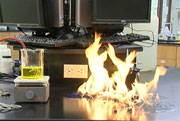 Flammables & Explosives
in the LaboratoryFlammables and explosives are some of the most dangerous materials used in a laboratory. When working with these substances, employees need to know their characteristics, as well as how to prevent accidents and injuries when using them.This training program “Flammables and Explosives” discusses the nature of flammable and explosive materials, as well as hazards associated with their use. It also reviews the proper handling procedures and personal protective equipment that should be used when working with these substances.
Areas covered in the program include:
- Definitions of flammables and explosives.
- Conditions that can create hazards.
- The role of ventilation in preventing problems.
- Transporting flammables and explosives.
- Storage considerations.
- Using compressed gases.
- Emergency planning.
- Disposal.
- …and more.
Time: 11 Minutes GHS Safety Data Sheets in the Laboratory
SafetyMax’s training products on “GHS Safety Data Sheets in the Laboratory” review the composition of GHS Safety Data Sheets, the information that’s contained in each section and how SDS’s are different from Material Safety Data Sheets.
GHS Safety Data Sheets in the Laboratory
SafetyMax’s training products on “GHS Safety Data Sheets in the Laboratory” review the composition of GHS Safety Data Sheets, the information that’s contained in each section and how SDS’s are different from Material Safety Data Sheets.Topics covered in the program include:
Areas covered in the program include:
- Material Safety Data Sheets and GHS SDS’s.
- Materials and their hazards.
- Hazardous materials emergencies.
- Handling hazardous materials.
- …and more.
Time: 17 Minutes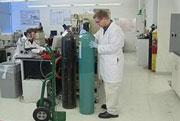 Handling Compressed
Gas CylindersThe energy possessed by a compressed gas cylinder can make it a virtual “missile” if it is not handled with the utmost care. And a leaking cylinder or fitting can lead to asphyxiation, a fire or even an explosion.Since compressed gas cylinders are frequently used in many laboratories, employees need to be familiar with the precautions that should be taken when dealing with them.
This video on “Handling Compressed Gas Cylinders in the Laboratory” examine how gas cylinders “work”, the hazards that are associated with them and the need for caution when using or storing a cylinder.
Topics covered in these products include:
- The four ways to compress gases.
- Hazards associated with compressed gases.
- Proper storage procedures.
- Marking and labeling.
- Handling cylinders safely.
- Connections and fittings.
- Leak detection.
- …and more.
Time: 13 Minutes Laboratory
ErgonomicsMany of the activities performed in a laboratory can exert stress and strain on muscles and joints… ultimately causing significant injuries. To work safely and maintain good ergonomic health, employees need to know how to avoid movements and work patterns that can be harmful.This training program “Laboratory Ergonomics” discusses the need to set up work areas correctly, as well as how to minimize the strain of using laboratory equipment, tools and instruments.
Areas covered in the program include:
- Parts of the body most susceptible to ergonomic problems.
- Arranging work areas to minimize stress and strain.
- Working from “neutral” positions.
- Most and least stressful types of body movements.
- Proper lifting techniques.
- Effective stretching exercises.
- …and more.
Time: 12 Minutes Laboratory
HoodsMany of the materials used in laboratories give off fumes, mists, vapors, particulates or aerosols which are hazardous. To minimize exposure to these materials, special precautions need to be taken. This often means within a “hood”.This training program “Laboratory Hoods” emphasizes how to properly use laboratory hoods and how to test them to ensure correct functioning… as well as discusses how hoods can protect an experiment, the facility, and most importantly, the employee.
Areas covered in the program include:
- Why laboratory hoods are needed.
- Protections afforded by hoods.
- How hoods function mechanically.
- Proper use of laboratory hoods.
- Testing and maintenance.
- …and more.
Time: 13 Minutes Orientation to
Laboratory SafetyA laboratory can be a dangerous place, and with the daily pressures to get things done employees can be tempted to take shortcuts and ignore safety precautions. And with the increasing complexity of the equipment and procedures involved in experiments, employees need an even greater knowledge of safety practices and procedures than they may have had in the past.This training program “Orientation to Laboratory Safety” shows both new employees and “seasoned veterans” the importance of safety in the laboratory… as well as reviews the OSHA regulations and good safety practices that apply to laboratory environments.
Areas covered in the program include:
- OSHA regulations.
- Material Safety Data Sheets (MSDSs).
- Planning safe experiments.
- Personal protective equipment.
- Ventilation controls.
- Chemical storage.
- Accidents and emergencies.
- Waste disposal.
- …and more.
Time: 11 Minutes Planning for
Laboratory EmergenciesA caustic acid hose has just erupted… an experiment has shown unexpected reactions… what should employees do to deal with these and other emergencies? Employees need to know when and how they should act in an emergency situation.This training program “Planning for Laboratory Emergencies” discusses how to minimize damage and prevent injuries if a laboratory emergency should occur.
Areas covered in the program include:
- The emergency plan.
- Types of emergencies.
- Alarms and warning systems.
- Contacting outside agencies.
- Evacuation.
- Fires, explosions and chemical spills.
- …and more.
Time: 15 Minutes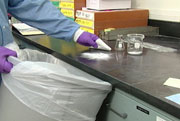 Preventing Contamination
in the LaboratoryHandling hazardous chemicals and specimens requires a great deal of caution. If substances are not properly controlled, hazards can spread and contaminate other materials, work areas… even employees themselves. With many laboratories using toxic, corrosive and carcinogenic chemicals, employees need to do all they can to prevent contamination.This training product on “Preventing Contamination in the Laboratory” emphasize the need to recognize situations that could lead to contamination, and discuss what can be done to prevent contamination from occurring.
Topics covered in these products include:
- How contamination occurs.
- General preventative measures.
- Engineering controls.
- Safe work practices.
- Personal protective equipment.
- …and more.
Time: 10 Minutes Safe Handling Of Glassware
In The LaboratoryBroken glassware causes more laboratory accidents than any other hazard. Because it is so fragile, glassware can easily fracture if it is bumped, dropped or too much pressure is applied to it. Some glassware accidents don’t require much more than a band-aid, while others can result in a lot of blood and the need for medical attention. And the threat of contamination from the materials in a broken container can also be a serious problem.
This training program “Safe Handling of Laboratory Glassware” discusses the nature of various types of glassware, and the problems it can cause… as well as the need for employees to use and maintain laboratory glassware safely.
Areas covered in the program include:
- Inspecting glassware before use.
- Effects of extreme temperatures and pressures.
- Matching glassware to the experiment.
- Working with glass tubing.
- Using personal protective equipment.
- Storage and handling.
- Washing and cleanup.
- …and more.
Time: 13 Minutes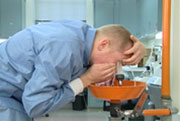 Safety Showers
& Eye WashesNo matter how many precautions employees take, accidents sometimes happen. In these situations quick action is essential, and if the incident involves a hazardous material, using a safety shower or eyewash can be extremely important.This video on “Safety Showers and Eye Washes” review for employees situations where safety showers and eye washes should be used, as well as how to properly use them.
Topics covered in these products include:
- Types of showers and eye washes.
- How to operate showers and eye washes correctly.
- Chemical splashes.
- Appropriate shower and eye wash techniques.
- Helping an accident victim use a shower/eye wash.
- First aid.
- Maintenance and testing of showers and eye washes.
- …and more.
Time: 12 Minutes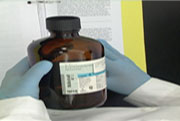 The OSHA Formaldehyde
StandardWhile formaldehyde is used in many laboratory operations, it can still be a significant health hazard.The results of mishandling formaldehyde can be serious. They can range from the short-term discomfort associated with minor burns or skin irritation… to chronic effects from a lifetime of overexposure.
This Video on “The OSHA Formaldehyde Standard” provide training that is required by this standard, focusing on the rules and procedures that the standard establishes for working with this potentially dangerous chemical.
Topics covered in these products include:
- Potential health hazards.
- Testing for Permissible Exposure Limits (PEL).
- Labeling and material safety data sheets.
- Hoods and other ventilation systems.
- Personal protective equipment.
- Spill and cleanup and decontamination procedures.
- First aid.
- The Medical Surveillance Plan.
- …and more.
Time: 13 Minutes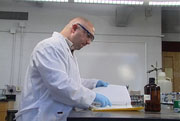 Using Material Safety Data Sheets
in the LaboratoryAll potentially hazardous materials entering a laboratory have a Material Safety Data Sheet (MSDS). But to make good use of the information on an MSDS, employees need to understand how it is organized and what it contains.This training program “Material Safety Data Sheets” reviews the various sections of the MSDS, what information can be found in each section and most importantly, how this information can help employees to work safely in their laboratory.
Areas covered in the program include:
- The purpose of Material Safety Data Sheets (MSDSs).
- Sections of the MSDS.
- Information found in each section.
- How MSDS information can help employees work safely.
- …and more.
Time: 15 Minutes
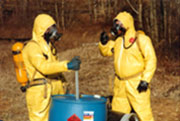 Accidental Release Measures
& Spill Clean-Up ProceduresThis training program “HAZWOPER: Accidental Release Measures and Spill Cleanup Procedures” discusses the plans and procedures necessary to safely contain and cleanup a hazardous materials spill.Areas covered in the program include:
- The Hazard Communication Program.
- The Emergency Response Plan.
- The five levels of HAZWOPER emergency response training.
- Personal protective equipment.
- Site characterization.
- Spill cleanup.
- Decontamination procedures.
- …and more.
Time: 19 Minutes Confined Space Entry
– HazwoperThis video on “HAZWOPER: Confined Space Entry” help employees understand how to reduce or eliminate potential exposure to hazardous materials in confined space work environments.- Definitions of confined spaces.
- Hazards encountered in confined spaces.
- OSHA=s Permit-Space Entry Program.
- Duties and responsibilities of the entry team.
- Atmospheric testing.
- Protecting entrants in hazardous atmospheres.
- The use of lifelines in rescue operations.
- …and more.
Time: 21 Minutes Dealing with the Media
in Emergency SituationsThis DVD training program “HAZWOPER: Dealing With The Media In Emergency Situations” helps employees understand the importance of building a good relationship with the media and how to deal with the media during an emergency situation.Areas covered in the program include:
- Establishing a relationship with the media before a crisis occurs.
- The duties and responsibilities of the Public Information Officer (PIO).
- Early response to the media during an incident.
- Insuring the safety of the media.
- Unauthorized communication with the media.
- The consequences of rumors and misinformation.
- …and more.
Time: 14 Minutes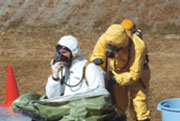 Decontamination
ProceduresThis video on “HAZWOPER: Decontamination Procedures” help employees understand how to reduce or eliminate potential exposure to hazardous materials in their work environments.Topics covered in these products include:
- Work practices.
- Engineering controls.
- Personal protective equipment.
- The exclusion zone.
- The contamination reduction zone.
- The contamination reduction corridor.
- Decontamination equipment and solutions.
- Decontamination procedures.
- …and more.
Time: 16 Minutes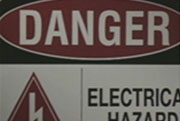 Electrical Safety
in Hazmat EnvironmentsThis video on “HAZWOPER: Electrical Safety in HAZMAT Environments” help employees to understand the hazards associated with the presence of uncontrolled energy in hazardous materials environments, and how to reduce or eliminate these potential hazards.Topics covered in these products include:
- Arcs, sparks and high temperatures.
- The National Electrical Code’s three HAZMAT classes.
- Engineering controls
- Safe work practices
- Intrinsically safe electrical systems
- Isolating machinery
- Purging, inerting and pressurization
- Confined spaces
- Uncontrolled electrical sources
- …and more.
Time: 24 Minutes Emergency
Response PlanThis training program “HAZWOPER: The Emergency Response Plan” helps employees understand how emergency planning can reduce or eliminate potential exposure to hazardous materials in crisis situations.Areas in the program include:
- The purpose of an Emergency Response Plan.
- The Chain of Command.
- Responsibilities of the Incident Commander.
- Responsibilities of the HAZMAT Specialist.
- Responsibilities of the HAZMAT Technician.
- Responsibilities of the First Responder.
- Communication procedures and the buddy system.
- Personal protective equipment.
- …and more.
Time: 15 Minutes Exposure Monitoring
& Medical SurveillanceThis training product on “HAZWOPER: Exposure Monitoring and Medical Surveillance” discuss various types of exposure monitoring equipment and techniques. The products also review the concept of “medical surveillance” and how it is used to evaluate the health of anyone who regularly works around hazardous materials.Topics covered in the products include:
- Direct-reading instruments.
- Sampling collection devices.
- Site characterization.
- General on-site monitoring.
- Perimeter monitoring and personal monitoring.
- Medical surveillance programs.
- Medical examinations and written medical opinions.
- …and more.
Time: 20 Minutes Fire
Fire
PreventionThis video on “HAZWOPER: Fire Prevention” help employees to understand the special hazards that can be created when hazardous materials catch fire… and what can be done to help prevent this from occurring.Topics covered in these products include:
- The three components of fire.
- Sources of ignition and types of fuel.
- The four classes of fires.
- Approved storage containers.
- Safety measures to take during a chemical spill.
- Using fire extinguishers.
- Evacuation procedures.
- …and more.
Time: 22 Minutes Handling Hazardous
MaterialsThis training program “HAZWOPER: Handling Hazardous Materials” helps employees to understand the nature and “behavior” of hazardous chemicals, and how to reduce or eliminate potential exposure to hazardous materials in their work environments.Areas covered in the program include:
- Physical hazards.
- Flammables/combustibles/explosives/oxidizers.
- Corrosives and irritants.
- Toxic substances and carcinogens.
- Acute and chronic health effects.
- Container labels and MSDS’s.
- Basic first aid for injuries caused by chemicals.
- Emergency response.
- Spillage/leakage/accident procedures.
- …and more.
Time: 23 Minutes HAZMAT
LabelingThis video on “HAZWOPER: HAZMAT Labeling” help employees understand different labeling systems and how to use these systems to reduce or eliminate potential exposure to hazardous materials in their work environments.Topics covered in these products include:
- Where hazardous materials labels are used.
- OSHA labeling requirements.
- Common labeling systems.
- DOT AHazard Class@ Labels and Placards.
- The Hazardous Materials Identification System (HMIS).
- Target organ information labels.
- The National Fire Prevention Association (NFPA) Labeling System.
- Hazardous waste labels.
- …and more.
Time: 21 Minutes Hazwoper
– Heat StressThis training product on “HAZWOPER: Heat Stress” help employees understand the need to guard against heat-related illnesses and what steps they can take to protect themselves in their work environments.Topics covered in these products include:
- How the body reacts to heat.
- The role of fluids and minerals.
- Preventing heat-related illnesses.
- Heat rash, heat exhaustion and heat stroke.
- Recognizing symptoms.
- First aid.
- Acclimatization.
- …and more.
Time: 19 Minutes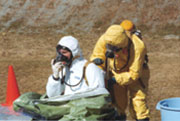 Hazwoper Retraining
– IntroductionThis video on “Introduction to HAZWOPER Retraining” remind employees who deal with hazardous materials of the importance of identifying, evaluating and controlling chemical hazards.Topics covered in these products include:
- Background of the HAZWOPER Regulations.
- The Site Safety and Health Plan.
- The Emergency Response Plan.
- Site characterization and the site control program.
- Systems of controls and standard operating procedures.
- Personal protective equipment.
- Exposure monitoring.
- Decontamination and Medical Surveillance Programs.
- …and more.
Time: 23 Minutes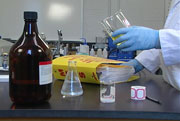 Material Safety Data Sheet
– HazwoperThis Video on “HAZWOPER: Material Safety Data Sheet” educate employees about the ANSI MSDS format and review how the information in an MSDS can help them work safely with potentially hazardous chemicals.Topics covered in these products include:
- Importance of the MSDS.
- The MSDS’s role in the Hazard Communication Standard.
- Advantages of the ANSI format.
- Four basic questions the ANSI MSDS answers: – What is the material and what are its hazards? – What should I do if a problem occurs? – What precautions should I take when working with this material? – Is there anything else I should know about this substance?
- A review of the sections in the ANSI Material Safety Data Sheet.
- and more.
Time: 21 Minutes Medical Surveillance
ProgramsThis video on “HAZWOPER: Medical Surveillance Programs” discuss various types of “medical surveillance” and how it is used to evaluate the health of anyone who regularly works around hazardous materials.Topics covered in these products include:
- Definition of medical surveillance.
- Medical examinations.
- Permissible Exposure Limits (PELs).
- The written medical opinion.
- Medical records.
- …and more.
Time: 10 Minutes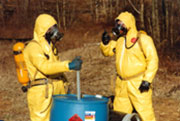 Monitoring Procedures
& EquipmentThis video on “HAZWOPER: Monitoring Procedures and Equipment” discuss the importance of detecting hazardous materials, as well as the equipment and procedures used in the process.Topics covered in these products include:
- Detecting hazardous materials.
- Direct-reading monitoring instruments.
- Sampling collection devices.
- Hazards that are “Immediately Dangerous to Life and Health” (IDLH).
- Confined spaces.
- General on-site monitoring.
- Perimeter, periodic and personal monitoring.
- …and more.
Time: 18 Minutes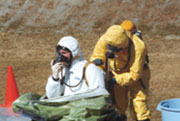 Personal Protective Equipment
– HazwoperThis Video on “HAZWOPER: Personal Protective Equipment” instruct employees on the selection and use of personal protective equipment (such as chemical protective clothing and respirators) in environments where hazardous materials are present.Topics covered in these products include:
- The roles of personal protective equipment.
- Level A personal protective equipment.
- Level B personal protective equipment.
- Level C personal protective equipment.
- Level D personal protective equipment.
- PPE and heat stress.
- …and more.
Time: 18 Minutes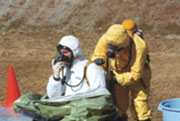 Personal Protective Eqipment
& Decontamination ProceduresThis video on “HAZWOPER: Personal Protective Equipment and Decontamination Procedures” instruct employees on the appropriate use of personal protective equipment (such as chemical protective clothing) as well as how to remove contaminants that accumulate on clothing and equipment.Topics covered in these products include:
- Safe work practices.
- Engineering controls.
- Levels of personal protection
- Heat stress.
- The need for decontamination.
- The Contamination Reduction Corridor (CRC).
- …and more.
.
Time: 21 Minutes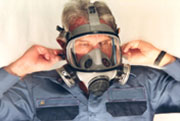 Respiratory
ProtectionThis Video on “HAZWOPER: Respiratory Protection” help employees understand how the use of respiratory protection can help to reduce or eliminate potential exposure to hazardous materials in their work environments.Topics covered in these products include:
- When respirators are needed.
- Basic types of respirators.
- Classifications of respirator filters.
- Supplied Air Respirators (SARs).
- Self-Contained Breathing Apparatuses (SCBAs).
- Proper fit-testing of respirators.
- Cleaning and maintenance of respirators.
- …and more.
Time: 19 Minutes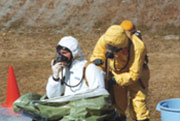 Safety Orientation
– Hazwoper Compliance SeriesThis Video on “HAZWOPER: Safety Orientation” help employees understand how to reduce or eliminate potential exposure to hazardous materials in their work environments.Topics covered in these products include:
- Preparing for working with hazardous materials.
- Avoiding bad mental habits and complacency.
- Working at the right pace.
- Controlling emotions.
- Adjusting to the limitations of personal protective equipment.
- Mental discipline.
- Acquiring information you need to work safely.
- …and more
Time: 17 Minutes Site Safety
& Health PlanThis video on “HAZWOPER: The Site Safety and Health Plan” discuss various types of “medical surveillance” and how it is used to evaluate the health of anyone who regularly works around hazardous materials.Topics covered in these products include:
- Plan guidelines and goals.
- Medical surveillance.
- Job hazard analysis.
- The five levels of training and responsibilities for HAZMAT Emergency Responders.
- Site evaluation.
- Personal protective equipment.
- Spill cleanup procedures.
- Decontamination.
- …and more.
Time: 17 20 Minutes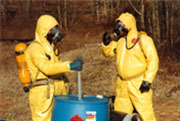 Understanding Chemical
HazardsThis training program “HAZWOPER: Understanding Chemical Hazards” introduces employees to chemical hazard regulations and provides training on the various types of hazardous chemicals found in industrial environments.Areas covered in the program include:
- Chemical hazard concepts.
- Types of hazardous chemicals.
- Characteristics and effects of various types of chemicals.
- The Material Safety Data Sheet (MSDS).
- Container labeling.
- Safe handling practices.
- Use of personal protective equipment (PPE).
- Spills and cleanup.
- …and more.
Time: 21 Minutes Understanding
HazwoperThis Video on “Understanding HAZWOPER” are designed to explain the regulations and to help employees begin to reduce or eliminate potential exposure to hazardous materials in their work environments.Topics covered in these products include:
- History of the HAZWOPER regulations.
- Definitions of hazardous chemicals and waste.
- Container labels and Material Safety Data Sheets (MSDSs).
- The Site Safety and Health Plan.
- HAZWOPER training requirements.
- The Site Control Program.
- Monitoring of hazardous substances.
- The Medical Surveillance Program.
- Decontamination
- …and more.
Time: 26 Minutes Work Practices
& Engineering ControlsSafetyMax’s VCD/DVD training program “HAZWOPER: Work Practices and Engineering Controls” helps employees to understand the nature and “behavior” of hazardous chemicals, and how to reduce or eliminate potential exposure to hazardous materials in their work environments through the use of work practices and engineering controls.Areas covered in the program include:
- eneral HAZMAT work practices.
- The Site Safety and Health Plan.
- Responsibilities of the Site Safety and Health Officer.
- General HAZMAT engineering controls.
- Ventilation systems.
- Remote-controlled equipment.
- The use of eyewash stations.
- …and more.
Time: 18 Minutes